Living with Less – Guest Post by Chris Sinton

As a faculty member of an environmental studies program, I really need to “practicar lo que sermonear.” Our stay in City Bell has given us a chance or, more accurately, has forced us to live with a lower environmental impact. As I ask my students “what is the minimum amount of material and energy we can use and still live a safe, healthy, and happy life?” Ok, it is hard to measure the happiness part but we are relatively safe and certainly well-fed. A note on feeding: the children like to point out that I am growing at least one more chin. Maybe I will grow back my beard and hide my new collection.

In the US we have: two cars, many bikes, washer/dryer, fancy stove/oven, dishwasher, microwave, large refrigerator, assorted mixers and blenders, electric knife sharpener, central air/heat, and lots of other goodies. Here, we have a TV, an ancient fridge, a dinky stove/oven, a fraction of the pots and pans, and a quarter of the clothes we own. [We do have our computers]. It is like being in a camping cabin for three months.

How can we survive? Life without a car works because we can easily walk to get groceries, ice cream, soccer balls, etc. To get to work, I either pick up a bus near the house or, more often, walk twenty minutes to catch a bus on the main road (Camino Centenario). Total bus trip is 10-20 minutes. Eric and Julia take an overcrowded minibus to and from school. If we need to get somewhere with Emily, we take a taxi. To transport the entire family, we need two taxis (hassle but workable).

While we have reduced our transportation impact, I am not so sure about the house. The house is uninsulated and the fridge runs most of the time. A rolled up towel keeps out the draft from the gap under the front door.

On the stuff side, we get by with what we have. We do miss some of our appliances and certainly a car, but that is mostly when we need to get Emily somewhere. Most of our food seems to come locally, although bananas still come from Ecuador and other fruits from the western side of the country.

OK, lesson learned. We can get by with less. Can we go home now and fire up the big gas grill?

Argentina 2, Day 60

Our stay here is winding down and we’re doing those things we’ve been meaning to do for a while. Like ordering a lasagna from the homemade pasta place down the street. Over 60% of Argentines have Italian heritage (immigration to here was huge in the 1800s and through/after World War II), and Italian food (pastas, pizzas) are second only to BEEF in consumption.


So there are a lot of homemade pasta places. My favorite (so far) are sorrentinos (round and tall raviolis) filled with riccota, ham and walnuts. Mmmmmm. We’d been curious about lasagna, which was on the list but never on the shelf. Took us a little while to figure out that you have to give them 24 hrs notice (1st visit) and that you have to bring your own pan (2nd visit). So by visit #3 we finally ordered: one lasagna, with meat and vegetables. Visions of ooey, gooey mozzarella. Mmmmmm. We picked it up with much anticipation, especially considering it weighed 3.15 kilos (almost 7 pounds!) and, at 18 pesos/kilo, was a whopping 56 pesos (over $18 dollars!).


Reviews: Thumbs down. From a sample of one, we conclude that Argentine lasagna is lousy. It had no tomato sauce and no mozzarella cheese. The pasta layers themselves were wonderful (delicate, tender, numerous), but it was too much of a bland green/white filling (spinach, chard, ricotta), and a little bit of ground beef and ham, and none of the red/melty filling. Disappointment. The next day (it took us 3 days to finish the behemoth) we doctored it up with our own tomatoes and cheese. Vast improvement.


From now on I’ll stick with the sorrentinos. Mmmmmm.


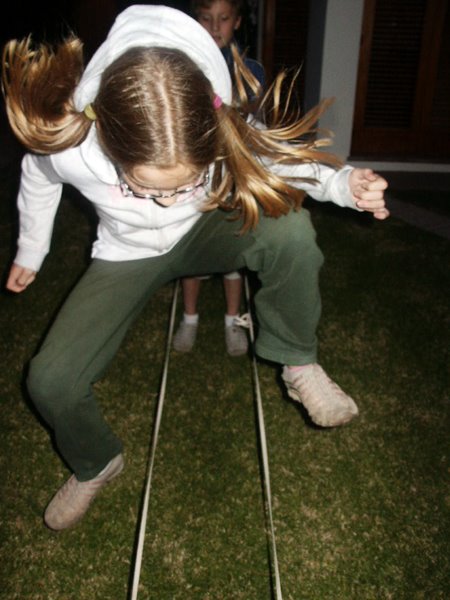
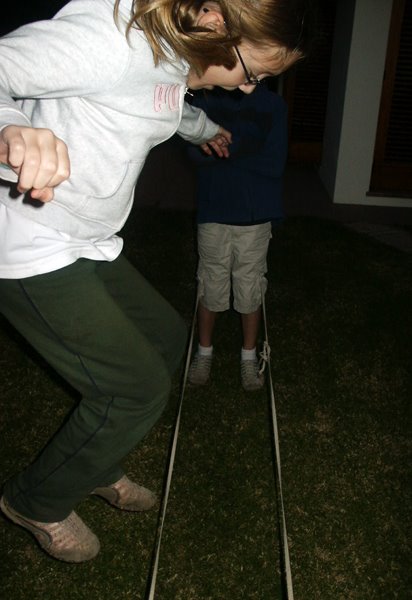
Chinese Jump Rope


Chinese Jump Rope

Guest Post by Julia I. Sinton


Since our school has no playground and not very much space to run around the kids need something to do during a total of an hour worth of recess. The boys usually take up the little space to play soccer but mostly the girls don’t really want to play soccer on the muddy grass. So the girls now jump rope or Chinese jump rope. If you want to play any of these you have to bring your own ball or rope. I decided to do Chinese Jump rope rather than plain jump rope. After learning the rules and getting pretty good at it I got my own rope for less than one dollar. Now I can practice at home and at school. I taught Eric and my Mom how to do it although my mom likes just holding the rope rather than jumping!

Here are the steps:
First you jump on one of the sides, then the other side.
Next you jump into the middle.
Then you jump outside then jump on both sides.
That was just ankles, now you have to repeat the same except its at knee height and then waist height.

Day in Buenos Aires, urban scenes


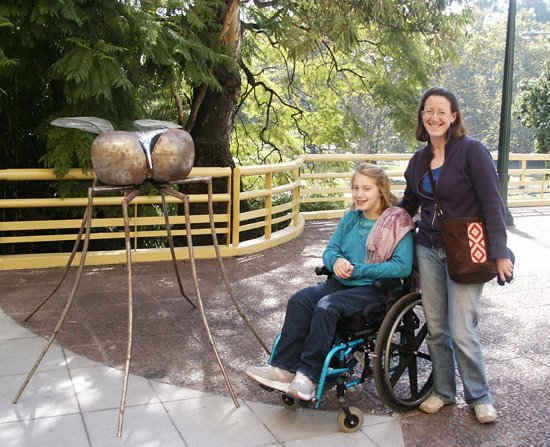
Dog walkers extraordinaire, large insects on display, and night lights around the big obelisk on the main drag.

Day in Buenos Aires, Tierra Santa


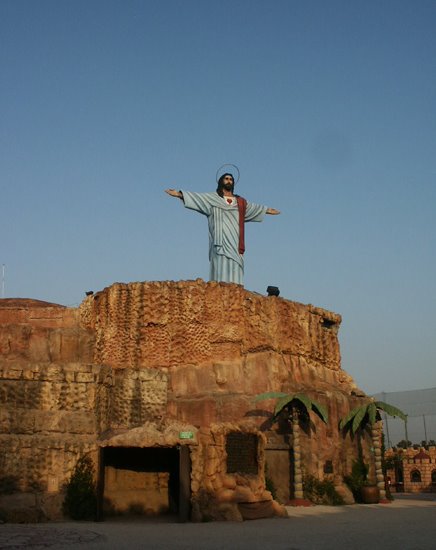
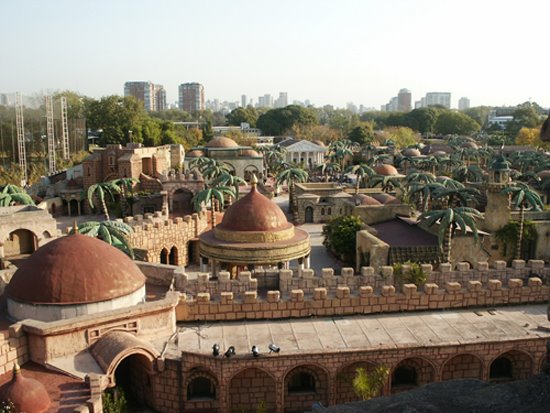
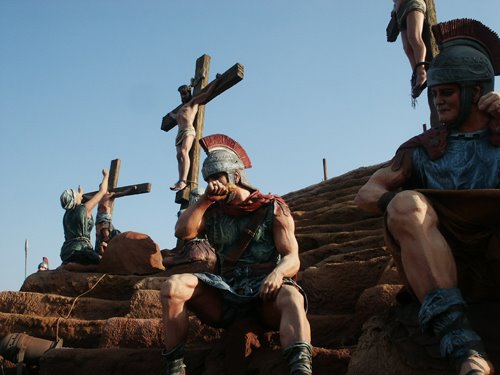
Our next and final stop was Tierra Santa, a Holy Land theme park smack dab in the middle of the city. It’s located RIGHT next to the small, domestic airport so I’ve been intrigued each time I fly over and see it from the air. All I knew by reputation was that a large Jesus emerged from the mountain-side. A must see.


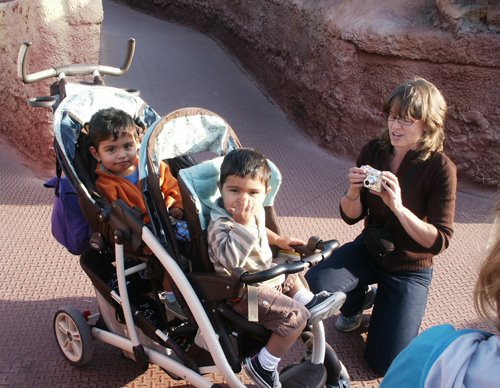
Rachel thought so too, and accompanied by Max and Luca in their double-stroller, we were the gentiles with wheels. The boys enjoyed the multitudes of small (plaster) animals all around, and the planes roaring overhead.


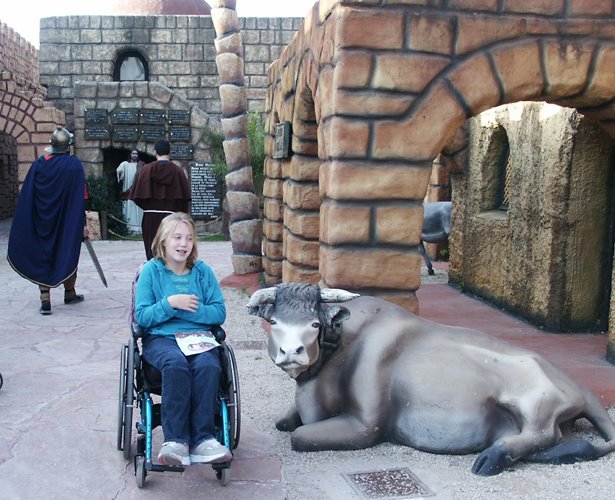
A very interesting place to visit. Might have been better if we’d known all the biblical stories, but maybe not. I’ll let the pictures tell the story (note the one of Emily and others welcoming Jesus into Jerusalem). They’ve done a great job at being diverse – there was also a mosque, a synagogue, a tribute to Gandhi, and some Buddhas for sale at the gift shop. We came home with fun memories, lots of pictures, and a snow globe.

Day in Buenos Aires, Jardín Japonés

>

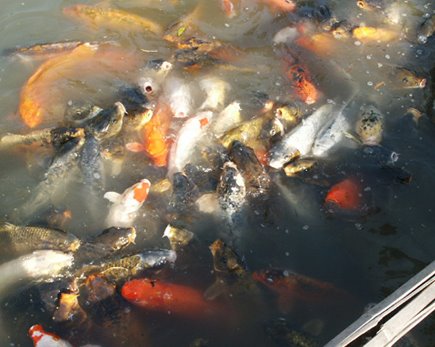
After lunch we wandered uptown to the Japanese Gardens. These were established in the late 1960s as a gift from Crown Prince Akihito and Princess Michiko. A nice oasis in an otherwise bustling part of the city. The koi are grotesquely overfed. Reminiscent of Marlon Brando in his later days.

Day in Buenos Aires, Recoleta Cemetery

>


Emily and I spent the day in Buenos Aires yesterday. Our first stop was the Recoleta Cemetery, the posh place in BA to hang out for eternity. More than 20 (former) Argentine Presidents are buried there, plus many other well-known folks such as Evita Peron. Wednesday (May 7) had been Evita’s birthday, hence the unusually large amount of flowers outside her family’s mausoleum. We also found Emilio Mitre, the engineer whose name was given to the street where we used to live.
Emily’s real objective had been to see the 100 (!) cats who also call this place home but we learned that they all come out only in late afternoon (when well-meaning cat ladies visit and feed them). Our late morning visit wasn’t feline fruitful, but Em had a chance to learn more about Evita (whom she’s researching for an English report).

Argentina 2, Day 54 – In the news again

Now we hear that the agricultural strikes are to begin again, and that smoky ash in the sky is coming from Chile. What next? It’s like someone’s giving us a message that it’s time to go home. Oh, but they’re having small earthquakes there.

swimming

On Tuesdays and Thursdays, Emily swims at a local pool. We chose the hour – noon to 1pm – for its paucity of other visitors. In the hour earlier a group of older woman balance yellow balls over their heads whilst twirling and kicking their legs underwater; Emily was quite relieved that she didn’t have to join them. During Emily’s hour, a few men swim laps in other lanes, but she has the instructor – Dario – all to herself. He’s a charming young man in his mid-20’s who laughs together with Emily over his poor English pronounciation (“kick your legs” comes out more like “kick your lips”); the only English words he knows are swimming-related.

Dario’s with her in the water the whole time, offering suggestions (kick your lips) and guiding her to the edge when she tires. Normally he teaches from pool-side, and the other swimmers at that hour are friends, or acquaintainces, and aren’t accustomed to seeing him in the water. Of course the custom of kissing on the cheek when greeting can’t be overlooked, even if one person is floating in a 2-meter pool and the other person is 2 meters tall and standing on the pool side. And both are men and wearing nothing but speedos. So Dario pushes himself up on the side of the pool, and the other person bends down, and they kiss and greet. Maybe that’s what he means by “kick your lips”?

20th century conflict history via food fights

For Emily’s social studies lesson today, we watched this and figured who was whom and why (when, where) they were blowing each other up. An excellent home-schooling learning opportunity.

http://www.youtube.com/user/touristpictures

Look for the Food Fight video.